18 Sep 2026
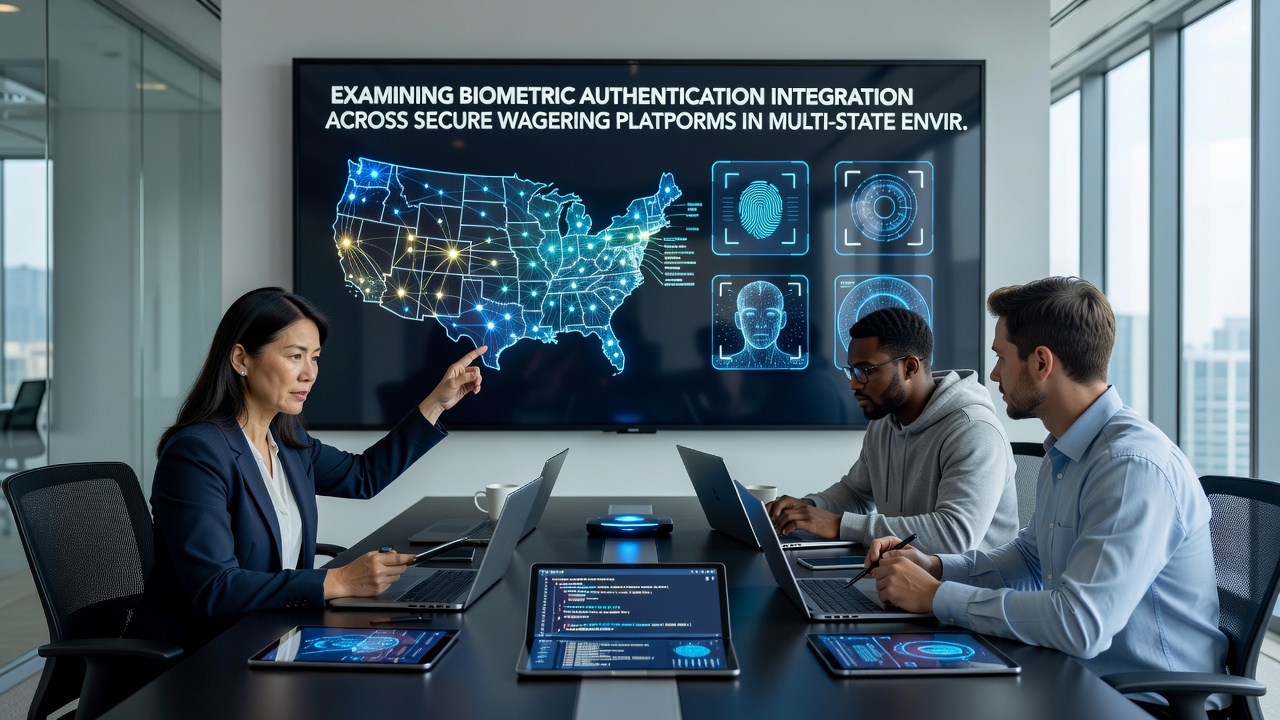
Examining Biometric Authentication Integration Across Secure Wagering Platforms in Multi-State Environments

Core Components of Biometric Systems in Wagering
Biometric authentication relies on unique physiological or behavioral traits such as fingerprints, facial geometry, iris patterns, and voice signatures to verify user identity before granting access to wagering accounts, and operators integrate these tools into mobile and desktop platforms to meet regulatory requirements that vary by state jurisdiction.
Research from industry reports indicates that fingerprint scanners and facial recognition software now handle the majority of login sequences on regulated apps, while voice biometrics appear in customer support verification processes where users confirm transactions through spoken phrases recorded during initial account setup.
Regulatory Variations Across State Lines
Multi-state operators must align their biometric protocols with frameworks enforced by bodies like the Nevada Gaming Control Board and the Alcohol and Gaming Commission of Ontario, since each jurisdiction sets distinct standards for data storage, consent procedures, and cross-border information sharing. Data indicates that platforms active in both Nevada and New Jersey maintain separate encryption keys for biometric templates collected in each location to satisfy localized privacy statutes.
Those who track legislative updates note that several states introduced mandatory biometric checks for high-value transactions starting in early 2025, which forced providers to upgrade existing infrastructure ahead of expanded licensing rounds. What's interesting is how these staggered timelines create technical challenges when a single user account spans multiple regulated markets, because template matching algorithms require synchronization without exposing raw data across networks.
Technical Implementation Patterns Observed in 2026
Engineers at major platforms deploy hybrid systems that combine on-device processing with cloud-based matching servers, and this approach reduces latency during peak betting windows around major sporting events while keeping sensitive templates encrypted at rest. Studies from academic institutions reveal that error rates for facial recognition in varied lighting conditions have dropped below two percent on optimized hardware, yet operators continue to offer fallback methods such as PIN entry for users whose devices lack compatible sensors.
September 2026 brought additional scrutiny when Michigan regulators published updated guidelines requiring annual third-party audits of biometric accuracy and bias testing across demographic groups, prompting several operators to publish compliance summaries that detail false acceptance and rejection statistics collected over the prior twelve months.
Privacy Protections and Data Handling Practices
Operators segment biometric data from financial records and store templates in isolated repositories that undergo regular penetration testing, and this separation limits exposure if other account elements become compromised during a breach. According to findings shared by the National Conference of State Legislatures, states increasingly mandate explicit user consent screens that explain how biometric information will be used and deleted upon account closure, with retention periods capped at five years in most jurisdictions.
Platform developers incorporate liveness detection algorithms that analyze micro-movements and depth information during facial scans to prevent spoofing attempts with photos or masks, and these safeguards have become standard features on apps licensed in Pennsylvania and West Virginia as well.
Adoption Trends and Performance Metrics
Figures released by state gaming agencies show that over seventy percent of active wagering accounts in multi-state environments now utilize at least one form of biometric login, and session completion rates have risen where fingerprint or facial options replace repeated password entry. Observers note that adoption accelerates among users who maintain accounts across three or more states because unified biometric profiles streamline access without requiring separate credentials for each regulatory zone.
Yet compatibility remains uneven on older mobile devices, which leads operators to maintain legacy authentication paths alongside newer biometric layers to avoid excluding segments of the player base.
Conclusion
Integration of biometric authentication across secure wagering platforms continues to evolve in response to multi-state regulatory demands, with operators refining technical standards and privacy controls to maintain compliance while supporting user verification at scale. Ongoing audits and technology upgrades reflect the need to balance security enhancements against accessibility and data protection requirements that differ by jurisdiction.